Yard Drainage Solutions: How to Fix Yard Drainage Without Wasting Time or Money
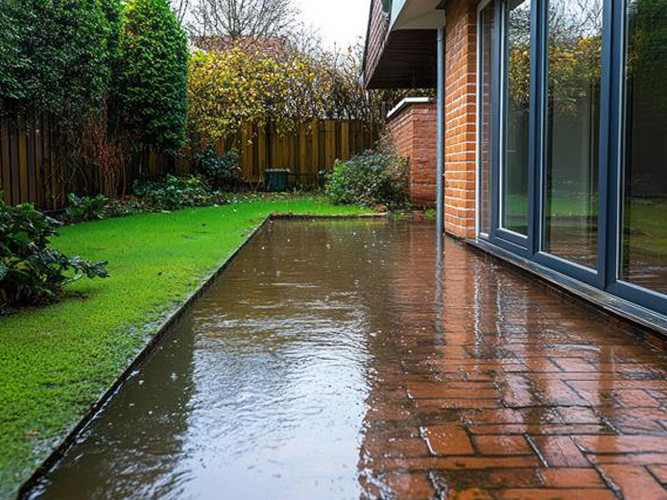
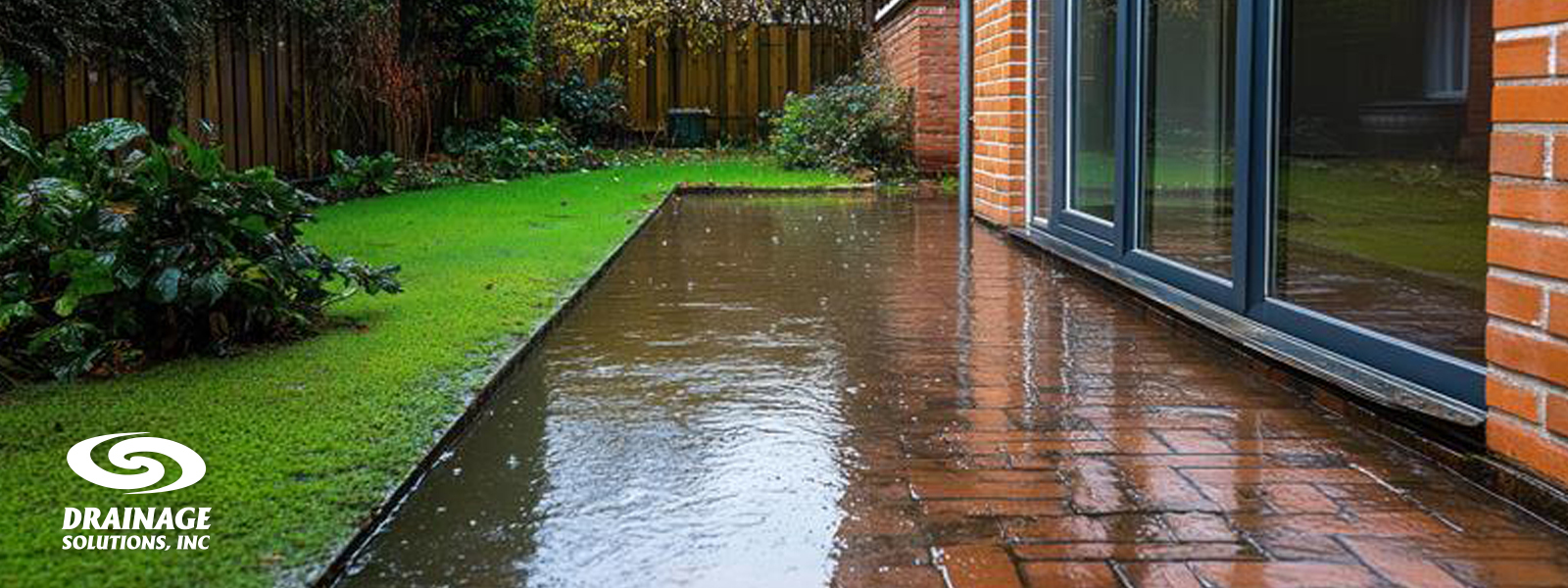
Spring and summer storms can quickly expose a common problem for homeowners: poor yard drainage.
If you are dealing with standing water in your yard, soggy grass or runoff collecting near your home, you are not alone. Many homeowners start searching for yard drainage solutions after the problem appears, but the key to long-term success is understanding how to fix yard drainage the right way.
With a smarter approach, you can eliminate standing water, protect your property and avoid costly repairs down the road.
What Causes Poor Yard Drainage?
Before choosing the right yard drainage solution, it is important to understand what is causing the issue.
Water does not pool randomly. It follows predictable patterns. Common causes of poor drainage include:
- Improper grading that prevents water from flowing away from your home
- Dense soil such as clay that slows absorption
- Low areas where water naturally collects
- Runoff from roofs, downspouts and hard surfaces
- Incomplete or undersized drainage systems
If these issues are not addressed together, water will continue to collect no matter what quick fix you try.
Step 1: Understand How Water Moves Across Your Yard
The first step in finding effective yard drainage solutions is observing how water behaves on your property.
During or after a storm, take note of:
- Where water enters your yard
- Where it pools or lingers
- How long it takes to drain
- Where the water should be directed
Understanding this flow is essential when deciding how to fix yard drainage because every yard has unique conditions.
Step 2: Fix Yard Drainage by Addressing the Entire System
One of the biggest mistakes homeowners make is focusing on a single problem area instead of the full drainage system.
If you want to truly fix yard drainage issues, your solution needs to:
- Capture water where it collects
- Move water efficiently across your property
- Redirect runoff away from structures
- Discharge water safely to an appropriate location
The most effective yard drainage solutions work as a complete system, not just a quick fix.
Step 3: Choosing the Right Yard Drainage Solutions
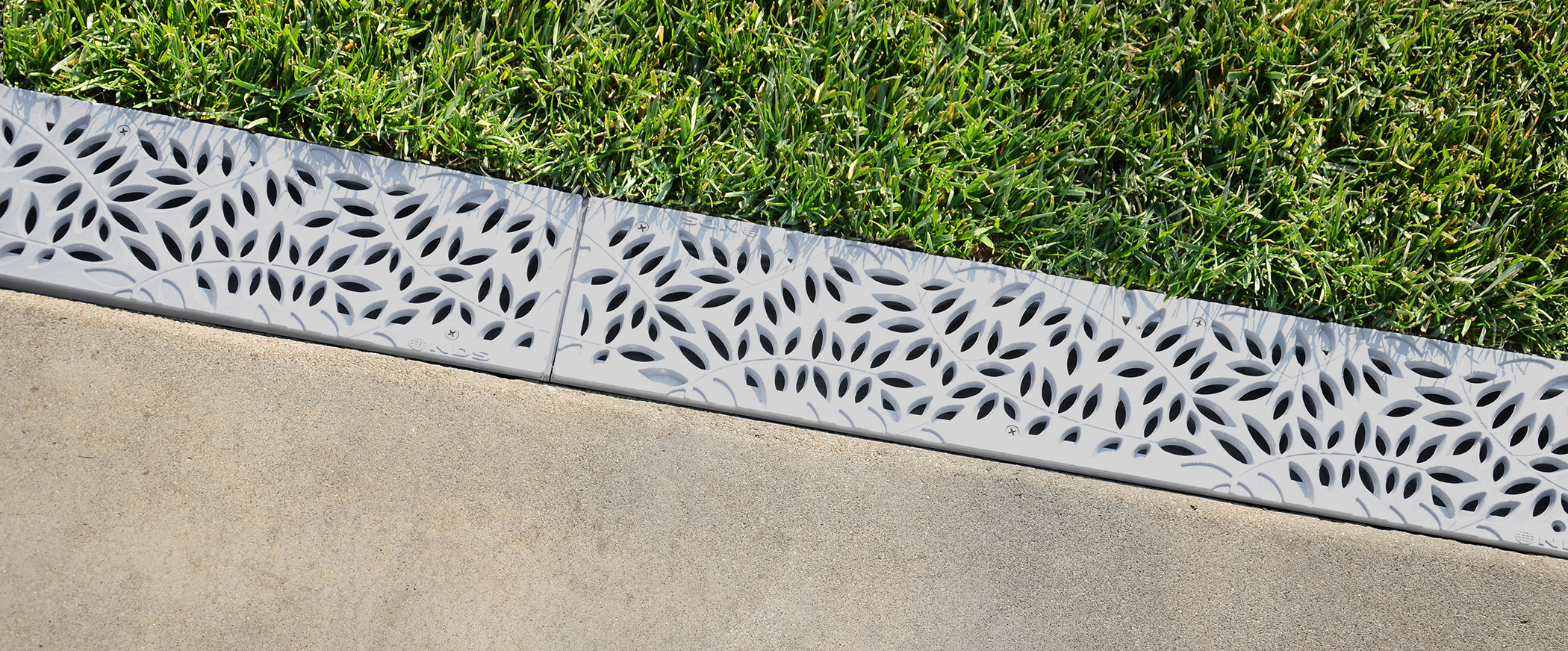
Not every yard requires the same solution. The right approach depends on your layout, soil and water volume.
Here are some common yard drainage solutions for homeowners:
Channel Drains
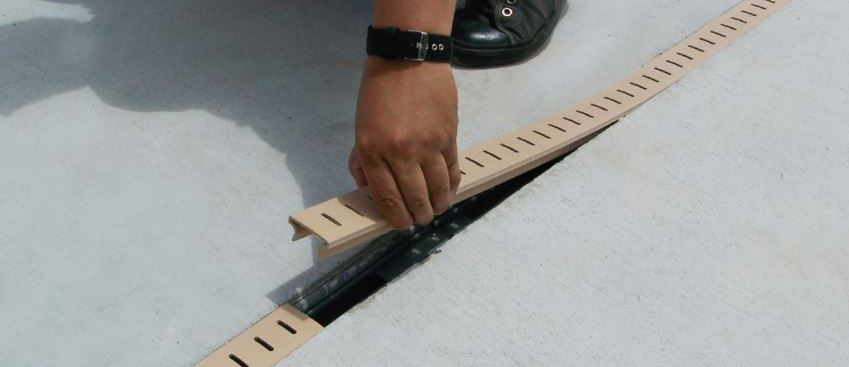
Channel drains are ideal for patios, driveways and walkways. They capture surface water and direct it away before it can pool.
Trench Drains
For areas with heavier water flow, trench drains provide deeper, higher-capacity drainage to manage larger volumes.
Catch Basins and Area Drains
Catch basins and area drains are great for low spots where water collects. They connect to underground piping to move water away efficiently.
Choosing the right combination of these systems is key to successfully fixing yard drainage issues.
At Drainage Solutions Inc., we help homeowners select drainage products that work together so your system performs effectively across your entire yard.
Step 4: Improve Drainage Without Sacrificing Curb Appeal
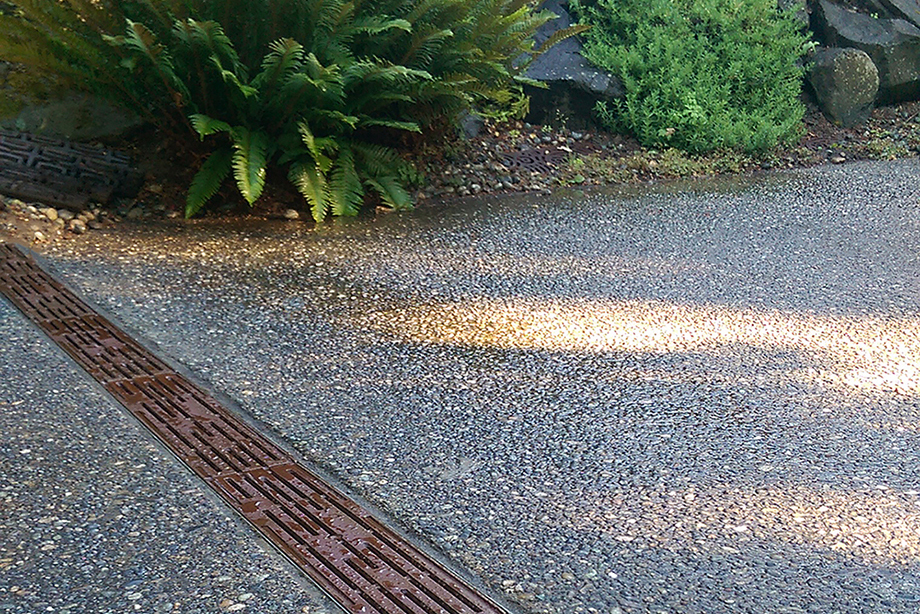
Modern yard drainage solutions do not have to disrupt the look of your outdoor space.
Decorative grates and low-profile drain covers allow you to:
- Maintain a clean, finished appearance
- Match your hardscape and landscape design
- Keep drainage systems discreet and functional
The right design ensures your drainage system blends in while still doing its job.
Step 5: Maintain Your Yard Drainage System
Even the best yard drainage solutions require occasional maintenance to keep working properly.
To keep your system functioning:
- Remove debris from drains and grates
- Check for clogs after storms
- Keep access points visible and accessible
- Inspect gutters and downspouts regularly
Routine maintenance helps prevent recurring drainage problems and extends the life of your system.
Signs You Need Better Yard Drainage Solutions
If you are unsure whether it is time to upgrade, look for these warning signs:
- Standing water in your yard after rainfall
- Muddy or unusable lawn areas
- Soil erosion around landscaping
- Water collecting near your home’s foundation
These are clear indicators that your current setup is not effectively managing water and that it is time to fix your yard drainage.
Stop Guessing and Start Solving Your Yard Drainage Problems
The key to solving drainage issues is not trying random fixes. It is choosing the right yard drainage solutions from the start.
When you understand how water moves, plan accordingly and use the right system, you can fix yard drainage problems permanently.
At Drainage Solutions Inc., we provide high-quality residential drainage products to help you manage water runoff, protect your property and improve your outdoor space.
Explore our yard drainage solutions today: https://drainageproducts.us/
Frequently Asked Questions About Yard Drainage Solutions
What is the best way to fix yard drainage problems?
The best way to fix yard drainage problems is to address the entire system. This includes improving grading, installing proper drainage solutions such as channel drains or catch basins, and ensuring water is directed away from your home.
What are the most effective yard drainage solutions?
Effective yard drainage solutions include channel drains, trench drains, catch basins and underground piping systems. The best option depends on your yard layout, soil type and how much water you need to manage.
How do I stop water from pooling in my yard?
To stop water from pooling, you need to identify low areas, improve slope and install drainage systems that capture and redirect water. A complete system prevents water from collecting in problem areas.
Can poor drainage damage my home?
Yes. Poor yard drainage can lead to soil erosion, foundation damage, basement leaks and landscaping issues. Addressing drainage early helps prevent costly repairs.
How often should I maintain my drainage system?
You should inspect and clean your drainage system at least twice a year and after major storms. Regular maintenance ensures proper water flow and prevents clogs.