
Winter Drainage Solutions: How to Prevent
Frozen Drains and Ice Buildup
Before winter weather arrives, contractors and property owners should inspect key drainage areas that may be vulnerable to freezing temperatures. Identifying potential obstructions, standing water and restricted discharge points early can help reduce drainage problems throughout the season.
When temperatures drop, those same issues can become more difficult to manage. Standing water can turn into hazardous ice, discharge lines can freeze or become obstructed, and repeated freeze-thaw cycles can worsen existing cracks and deterioration in concrete and hardscapes.
The good news? Addressing known drainage problems before prolonged freezing weather arrives can help reduce the risk of additional issues throughout winter.
Whether you're a contractor preparing a property for winter or a property owner looking to protect your investment, understanding common winter drainage problems and the solutions available is an important first step.
Why Drainage Problems Get Worse in Winter
Drainage systems are designed to collect and move water away from areas where it can cause problems. During winter, freezing temperatures can interfere with that process, especially when water collects in low spots or remains trapped in drainage lines. Understanding how water moves across a property, including its natural flow paths and discharge points, is essential when identifying drainage problems that may become worse during winter.
When water freezes, it expands. Repeated freezing and thawing can place additional stress on existing cracks, joints and vulnerable surfaces. At the same time, snow, ice and debris can obstruct drainage outlets, limiting where water can flow.
Common problem areas include:
- Downspout extensions and underground discharge lines
- Sump pump discharge outlets
- Driveways, sidewalks and other hardscaped surfaces
- Low-lying areas where standing water regularly collects
- Drainage outlets obstructed by snow, ice or debris
These conditions don't automatically mean a drainage system will fail. However, they can make existing drainage problems more noticeable and difficult to address.
Three Drainage Areas to Check Before the Deep Freeze
While winter drainage concerns can vary by property and system, three areas deserve particular attention: discharge lines, hardscaped surfaces and drainage systems vulnerable to backups. Evaluating these areas before prolonged freezing temperatures arrive can help identify potential problems and appropriate solutions.
1. Downspout and Sump Discharge Lines
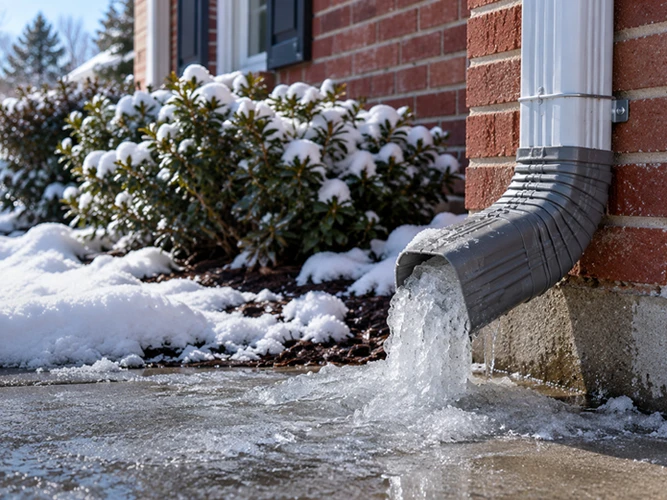
Frozen downspouts and sump pump discharge lines can create problems when water cannot exit the system as intended.
Underground drainage lines may be especially vulnerable when they have low spots that trap water, insufficient slope or discharge outlets blocked by snow, ice or debris.
Before temperatures remain consistently below freezing, contractors and property owners should inspect discharge locations and look for potential issues, including:
- Blocked discharge outlets: Snow, ice, leaves or debris that may restrict water movement.
- Improper drainage slope: Low spots or poorly pitched lines where water can collect and freeze.
- Standing water: Areas around downspouts or discharge points where water isn't draining properly.
- Restricted sump pump discharge: Outlets that may prevent water from moving away from the property as intended.
Addressing these conditions before prolonged freezing temperatures arrive can help reduce the risk of drainage problems throughout winter.
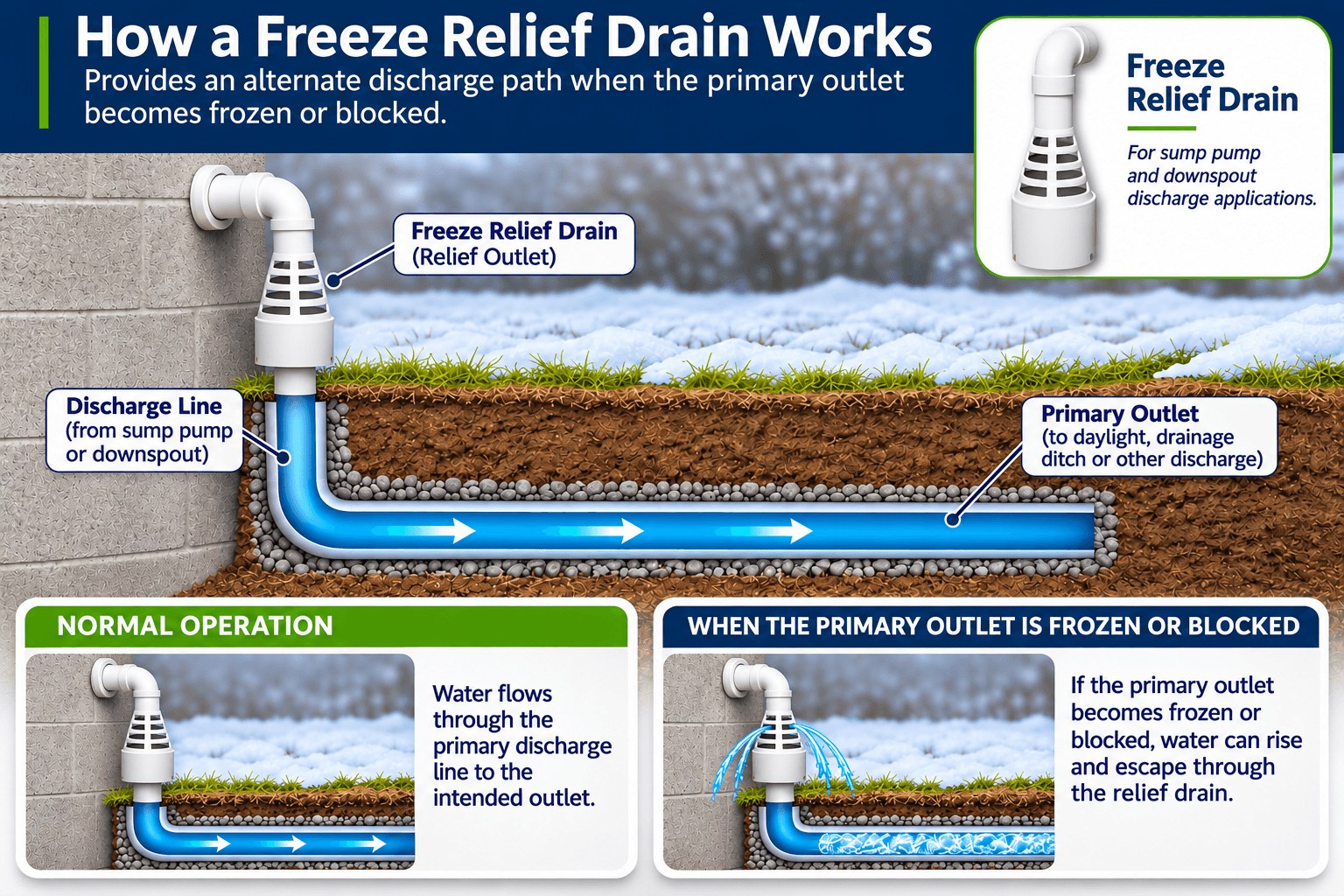
For applicable underground discharge systems, a freeze relief drain may provide an alternate discharge path if the primary outlet becomes frozen or blocked.
2. Driveways, Sidewalks and Other Hardscapes
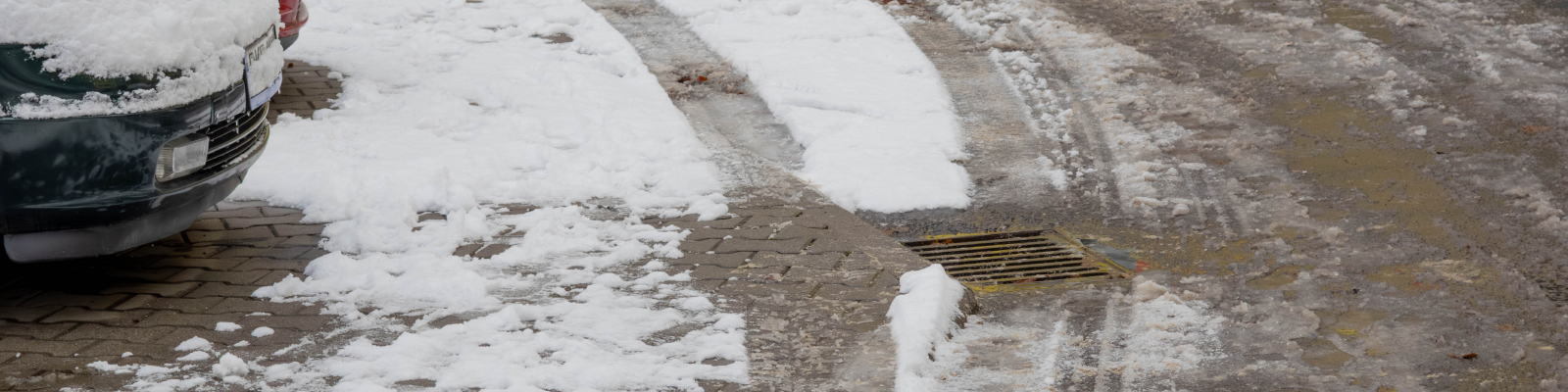
Standing water that was a nuisance during fall rain can become a safety concern once temperatures drop.
Stormwater runoff from paved surfaces can contribute to pooling when drainage is inadequate. During winter, water collecting on driveways, sidewalks, patios and other hardscaped surfaces may freeze, creating slippery conditions. Repeated freeze-thaw cycles can also contribute to deterioration where existing cracks or vulnerable areas are present.
Before winter weather arrives, contractors and property owners should evaluate areas where water regularly collects, including:
- Driveways and sidewalks: Look for low spots where standing water may freeze and create slippery conditions.
- Patios and hardscapes: Identify areas where runoff collects or drainage is insufficient.
- Existing cracks or deteriorating concrete: Watch for locations where trapped moisture and repeated freezing and thawing may worsen existing damage.
- Drainage inlets and outlets: Check catch basins, channel drains and discharge points for debris or obstructions that may prevent proper drainage.
Depending on the application, catch basins, channel drains and other surface drainage products can help collect runoff and direct it toward an appropriate discharge location.
For contractors, evaluating these conditions before winter can help identify drainage improvements that may be needed immediately or planned for upcoming projects.
3. Drainage and Sewer Backup Conditions
Winter weather can complicate existing drainage and wastewater concerns, particularly when outlets become obstructed or systems are already experiencing restricted flow.
Snow, ice and debris can interfere with drainage components, while existing system issues may increase the likelihood of backup conditions.
Common areas to evaluate include:
- Blocked drainage outlets: Snow, ice or accumulated debris that may restrict water flow.
- Underground drainage lines: Existing obstructions or low spots that may prevent water from moving through the system effectively.
- Drainage connections: Areas where improper connections or existing restrictions may contribute to drainage problems.
- Sewer backup concerns: Systems where reverse flow may occur and additional protection could be appropriate.
It's important to distinguish between frozen drainage lines and reverse-flow conditions, as they require different solutions.
A backwater valve is designed to help prevent unwanted reverse flow in applicable drainage or sewer systems. It is not intended to prevent drainage pipes from freezing.
For contractors evaluating potential backup concerns, selecting the appropriate valve depends on the system design, application and applicable installation requirements.
How to Help Prevent Frozen Downspouts and Drainage Lines
Taking a proactive approach to winter drainage maintenance can help identify potential issues before freezing conditions make them more difficult to address.
Start with these practical steps:
- Clear drainage inlets and outlets. Remove leaves, sediment and other debris that may restrict water movement.
- Inspect downspout discharge points. Confirm water is being directed away from foundations and other vulnerable areas to help reduce the risk of moisture problems.
- Look for low spots. Identify drainage lines or surface areas where water regularly remains trapped.
- Check sump pump discharge locations. Make sure the outlet is unobstructed and appropriate for winter conditions.
- Keep outlets accessible. Monitor discharge points for snow and ice accumulation throughout the season.
- Consider appropriate drainage products. Depending on the system, freeze relief components or other drainage improvements may help address recurring problems.
If a drainage line is already frozen or blocked, avoid forcing water through the obstruction or using unsafe thawing methods. A qualified professional can help determine the appropriate next steps.
Winter Drainage Products to Consider
Different drainage problems require different solutions. Whether you're addressing a discharge line vulnerable to freezing or evaluating potential reverse-flow conditions, selecting the appropriate drainage components can help improve system performance and reduce the risk of recurring issues.
Drainage Solutions, Inc. offers products for a variety of drainage applications, along with a knowledgeable team to help contractors and property owners identify the right components for their projects.
Freeze Relief Drain
A frozen or blocked discharge line can prevent water from moving through a drainage system as intended.
For certain underground discharge applications, a freeze relief drain provides an alternate path for water when the primary discharge line becomes obstructed. This can be particularly useful in systems where freezing conditions may affect the discharge outlet. However, product selection and installation should be based on the specific drainage configuration and manufacturer recommendations.
Contractors should evaluate the location, system design and potential discharge conditions before selecting a freeze relief component.
Backwater Valves
While freeze relief drains address certain discharge obstructions, backwater valves serve a different purpose.
Backwater valves are designed to help prevent unwanted reverse flow in applicable drainage and sewer systems. When properly selected and installed, they can provide an additional layer of protection against certain backup conditions.
They do not prevent pipes from freezing, and their suitability depends on the type of system, applicable codes and installation requirements.
For contractors working on drainage or wastewater projects, understanding the intended application is essential when selecting a backwater valve.
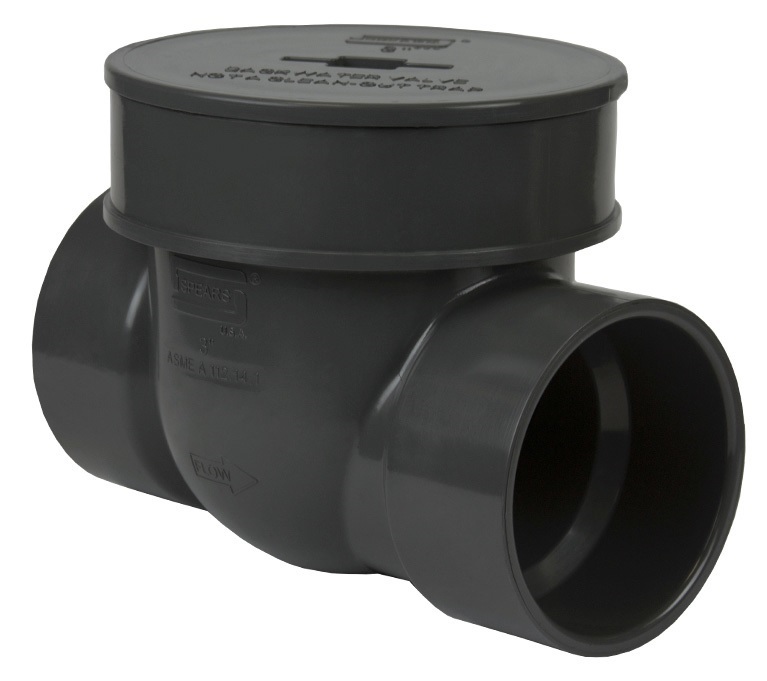
Backwater Valve — Helps prevent reverse flow in applicable drainage and sewer systems.
Prepare Your Drainage System for Winter
Fall rain can reveal where drainage systems need attention. Winter temperatures can make those same problem areas more challenging, particularly when water freezes or discharge points become obstructed.
Addressing known drainage concerns before prolonged freezing conditions arrive can help contractors and property owners reduce potential problems and prepare for more reliable water management.
From freeze relief drains and backwater valves to surface drainage products and installation accessories, Drainage Solutions, Inc. offers products to support a wide range of drainage applications.
Ready to Prepare for Winter?
Shop DSI online now or visit one of our Indiana locations in Franklin, Lebanon, Greenfield or Leesburg.
Need help selecting the right products or placing an order for a larger job? Call our team at 317.346.4110.